
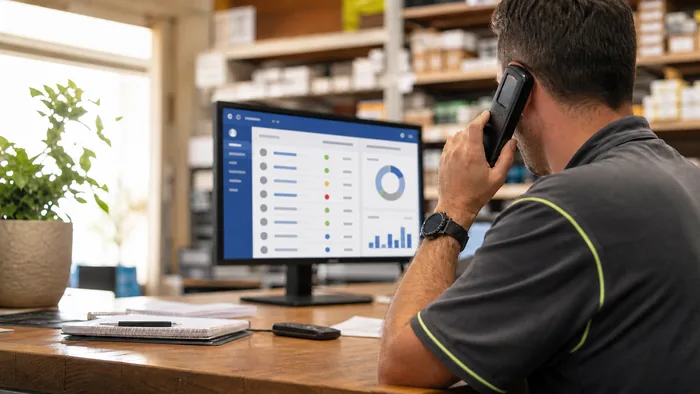
Choosing a new phone system? Read our page on what a phone system costs, or get a quote.
Understanding the financial commitment required for a new communication platform is vital for any growing organisation. In Australia, the shift toward digital infrastructure has not only changed how we connect but has significantly lowered the barrier to entry for professional-grade telephony. When evaluating the cost of Business Phone Systems, it is helpful to view the investment through three lenses: upfront capital, monthly operational costs, and the long-term value generated through increased efficiency.
The Core Components of System Pricing
The total investment in Business Phone Systems is generally determined by your team size and the level of functionality your operations require. Unlike the rigid pricing models of the past, modern cloud-based systems are highly modular. You are no longer paying for "capacity" that you might use in the future; instead, you pay for the exact number of active users you have today.
Pricing is typically split into the service subscription (the software and "lines"), the hardware (the physical phones), and the implementation (setup and training). For many small Australian businesses, this shift from a heavy upfront cost to a manageable monthly fee has been a primary driver in the mass adoption of VoIP technology.
Upfront vs. Ongoing Costs: What to Expect
When budgeting for Business Phone Systems, the upfront costs have plummeted compared to traditional PBX installations. A decade ago, a 10-person office might spend $10,000 on a physical server and wiring. Today, that same office can often get started for under $1,500.
- Upfront Costs: This typically includes a one-time setup fee (ranging from $200 to $500 for most small offices) and the purchase of handsets. Some businesses choose to eliminate upfront hardware costs entirely by using "softphones", apps installed on existing computers and smartphones.
- Ongoing Costs: This is your monthly "per user" fee. In Australia, this generally ranges between $25 and $55 per user, depending on the features included.
Monthly Subscription Tiers and Inclusions
Most providers offer tiered plans to ensure you aren't paying for enterprise-grade tools you don’t need.
- Basic Tiers ($15 to $25 per user/month): Ideal for businesses that primarily need to make and receive calls. These plans usually include a local number, basic voicemail, and a mobile app.
- Standard Tiers ($30 to $45 per user/month): The "sweet spot" for most Australian SMEs. These usually include unlimited standard national calls, auto-attendants (press 1 for sales), and voicemail-to-email.
- Premium Tiers ($50+ per user/month): Designed for businesses requiring deep integrations. This includes CRM syncing (Salesforce, HubSpot), call recording for compliance, and advanced real-time analytics.
Hardware Options: From Entry-Level to Executive
While the system lives in the cloud, many staff still prefer a physical desk phone. The cost of hardware is a one-time expense, and modern IP phones are remarkably durable.
- Entry-Level Handsets ($120 to $180): High-quality, reliable phones with a monochrome screen, perfect for common areas or staff with lower call volumes.
- Executive Handsets ($250 to $450): These feature large colour touchscreens, Bluetooth connectivity, and more "programmable" buttons for managing multiple lines.
- Conference Units ($500 to $1,200): Specialist hardware for meeting rooms designed to pick up voices clearly across a large space.
Hidden Costs and How to Avoid Them
When comparing quotes for Business Phone Systems, it is important to look at the fine print to avoid "bill shock." Some common areas where costs can creep up include:
- Number Porting: Moving your existing numbers from your old provider to a new one often incurs a one-time "porting fee," which can range from $5 to $100 depending on whether it is a single number or a complex range.
- International Calls: If your business calls overseas frequently, ensure your plan includes these or offers competitive "add-on" packs.
- Network Readiness: VoIP relies on your internet. If your office router is outdated, you may need to invest $300 to $600 in a "Voice-Ready" router to ensure call quality isn't interrupted by other internet traffic.
The ROI of Modern Cloud Solutions
While cost is a major factor, the return on investment (ROI) of modern Business Phone Systems comes from time saved and professional image. An auto-attendant ensures no call goes unanswered, potentially saving thousands in lost leads. Mobile integration allows staff to work from anywhere, reducing the need for expensive office floor space. When you factor in the elimination of traditional "line rental" fees, which could cost $40 per line per month with no features, the switch to a modern system often pays for itself within the first year.
Tailoring a System to Your Budget
The beauty of the current telecommunications market in Australia is that there is a solution for every budget. You can start with a lean, softphone-only setup and add physical handsets as your cash flow allows. Alternatively, you can invest in a premium, fully integrated system that automates your customer service workflows from day one.
At VoIP System, we believe in transparency and helping you build a solution that provides the most value for your specific industry. Our team can provide a detailed breakdown tailored to your headcount and growth goals.
Are you ready to see a clear comparison of how a modern system fits into your budget? Contact the team at VoIP System today for a transparent, no-obligation quote on Business Phone Systems designed for your organisation.