
Business phone systems in Adelaide
Planning a new system or switching provider?
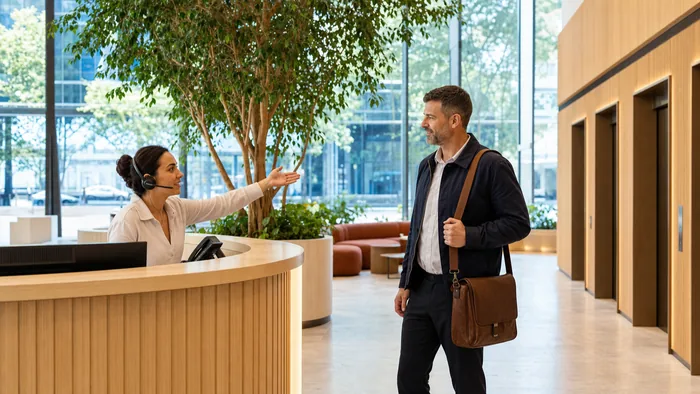
A lot of Adelaide businesses do not have a phone system at all. They have two or three mobiles, one of them is the number on the website, and it mostly works. This page is about where that arrangement stops working, what a proper system actually changes, and the part most people do not expect: you do not have to buy a single desk phone to get one.
Running the business on mobiles, and where it stops working
Mobiles are how most businesses start, for the sensible reason that everyone already has one. The problems arrive slowly, and they are all versions of the same problem: the number belongs to a person, not to the business.
- The advertised number rings one person. If they are driving, on a job or on leave, the business is not answering.
- Nobody can see what was missed. A missed call on somebody’s personal mobile is invisible to everyone else.
- Callers cannot be moved. Handing a caller to whoever can actually help means reading out a second number and hoping.
- When that person leaves the business, the number they carry is suddenly a negotiation.
None of that means mobiles were the wrong choice. It means the business has outgrown the arrangement, and the fix is not more mobiles.
What a phone system actually changes
The change that matters is ownership. One advertised number that belongs to the business, with rules behind it that you set: who rings first, who rings next, what happens after hours, and where a message lands so it is seen rather than remembered.
A call to that number can ring two or three people at once, in the office or not. If nobody picks up, the caller hears something useful instead of a personal voicemail, and the message arrives in an inbox where anyone can action it. Calls, answered and missed, can be logged where the people who need them can see them rather than sitting on one person’s handset.
The mechanics of how calls run over the internet, what happens in a power cut, and how numbers move between suppliers are on our business VoIP systems page. The short version for a mobile first business is that the system sits behind your number, and the mobiles everyone already carries become part of it.
You do not have to buy desk phones
The picture most people have of a phone system is a handset on every desk. That stopped being the requirement years ago. The system can run as an app on the mobiles and laptops the business already owns, so the office number rings the same people it rings today. What changes is what stands behind it.
A physical handset still earns its place where the job is done standing up or the phone is shared: a counter, a workshop, a reception desk. Buy one for the spot that needs it, not one per person out of habit.
If some desks do want hardware, the range we work on is on our handsets page, and what it all tends to cost, and why quotes differ, is on what a VoIP system actually costs.
The half hour, and what your phones should do about it
Adelaide sits half an hour behind Sydney and Melbourne, in summer and in winter alike, because South Australia moves to daylight saving when they do. Queensland does not move at all, so Brisbane spends half the year thirty minutes ahead of you and the other half thirty minutes behind.
For a business with east coast customers that is a small, permanent phone problem. Their nine o’clock is your eight thirty, so the first calls of the day can arrive before anyone has sat down. A phone system deals with it in rules rather than in willpower: calls before opening hear when you open or go to whoever starts early, and the rules are set against Adelaide time so they never drift when clocks change.
It is also the question worth putting to any supplier, including us: when you ring for support, whose clock are the advertised hours on, yours or theirs?
What local actually buys you
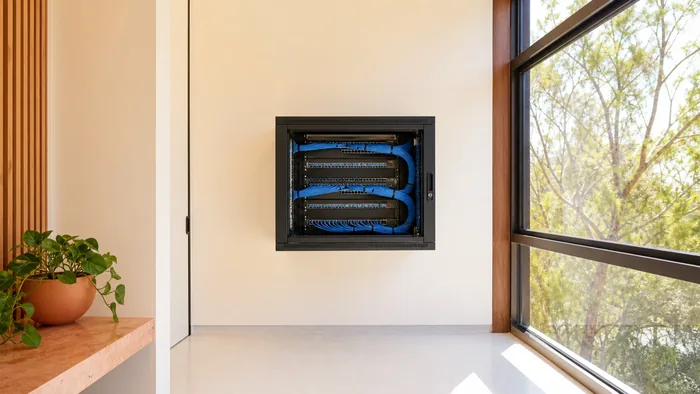
The honest answer is that for this work, an Adelaide address buys you almost nothing. The system is built, changed and supported over the internet. Handsets, if you want them, arrive configured and register themselves when they are plugged in. A fault is diagnosed by looking at the system, not by looking at the phone.
What does need hands in the building is cabling, if network points have to be run, and that is a local electrician or cabler whoever supplies the system. A handset that has physically died is the other one, and the answer to that is a replacement in the post. What is worth comparing between suppliers is who answers when you ring, how fast a change gets made, and whether anyone will tell you when the answer is to buy nothing.
The handsets we fit most often
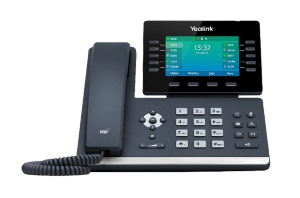
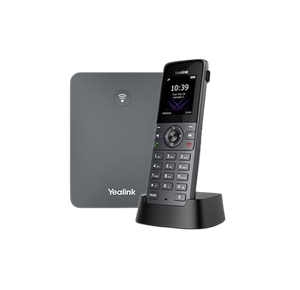
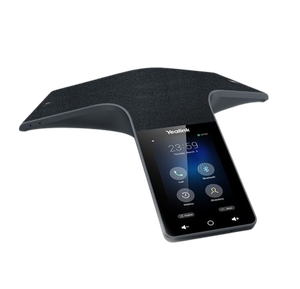
A desk phone, a cordless handset and a conference unit cover most offices. Prices exclude GST.
What we do, and what we are not
VoIP System is an independent Australian phone systems company. We build and support business phone systems for businesses Australia wide, Adelaide included, and we do it from one location rather than a branch network.
We are not one of the manufacturers whose equipment we install, and we are not a partner, reseller or authorised agent of any of them.
If mobiles are still the right answer for your business, that is the answer you will get from us. More on how we run things is on our about page.
Talk to us about an Adelaide business
Tell us how many people take calls, whether the number callers use today is a mobile, and what you would want to happen to a call nobody can answer. That is enough for us to say what a system would change for you, and whether it is worth it yet.
Call 1300 865 879, or send us the details and we will come back to you.
Common questions
- Do you have an office in Adelaide?
- No, and the page above says so rather than hinting otherwise. We work Australia wide from one location. Most of this work happens over the internet wherever the office is, and the part that does need somebody on site, running network cabling, is a local trade whoever supplies the system.
- Can our mobile number stay as the business number?
- Tell us the number and who it is with before anything is decided. What a number can do depends on what kind it is and where it lives, so we check yours and tell you what can move, what should stay, and what the choices actually are. Nothing changes until you have that in writing.
- Do we have to buy desk phones?
- No. The system can run entirely as an app on the mobiles and laptops the business already owns. A physical handset is worth buying for a counter, a workshop or a reception desk, where the phone is shared or the job is done standing up, and not out of habit for every person.
- What does the half hour time difference actually affect?
- Your opening rules. East coast customers start ringing half an hour into their morning before yours has started, so the useful setup is a rule that answers early calls with when you open, or sends them to whoever starts first, set against Adelaide time so it survives the clock changes.
- What happens to calls when the internet drops out?
- The number is not tied to the office connection, so calls can be sent straight to mobiles when the office is unreachable. Set that rule up on day one and an outage becomes an inconvenience rather than a silent phone.