
If you're running a small business in Australia, you’ve probably wondered whether upgrading to VoIP (Voice over Internet Protocol) is worth the effort. Maybe it feels like something only bigger operations need, after all, you’re not a call centre. But here’s the truth: VoIP isn’t just for large companies. In fact, it can give small businesses like yours a significant edge in flexibility, professionalism, and cost-efficiency.
This article breaks down exactly why VoIP makes sense for small businesses, debunks common misconceptions, and shows you how it can scale with your growth, without blowing your budget.
What is VoIP and How Does It Work?
VoIP stands for Voice over Internet Protocol. Instead of using traditional copper phone lines, VoIP systems transmit calls over your internet connection.
When you make a call using VoIP:
- Your voice is converted into data packets.
- These packets travel across the internet to the person you’re calling.
- The other person hears your voice just like a regular phone call.
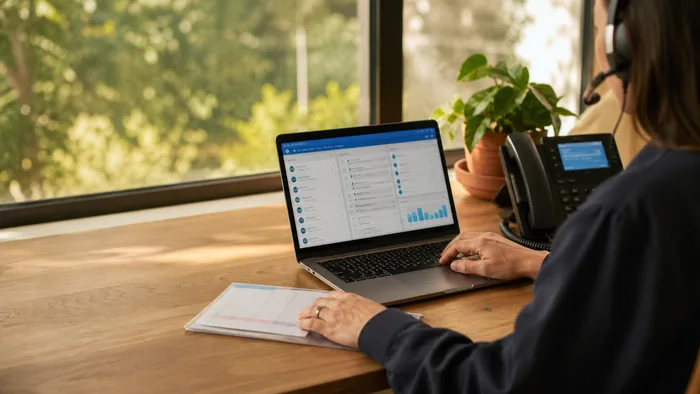
It works on mobile devices, laptops, or VoIP desk phones, anywhere with a stable internet connection. For small businesses, this means no expensive on-premise phone systems, no hardwired setups, and more flexibility to work from anywhere.
Common Misconceptions About VoIP for Small Businesses
“It’s Too Expensive for a Small Team”
Actually, VoIP tends to be more affordable than traditional phone lines. You pay for what you need, whether that’s a single user or a small group of five. There’s no need to install hardware-heavy systems or pay for lines you don’t use.
“It’s Overkill for My Business Size”
VoIP isn’t about volume, it’s about efficiency and professionalism. Even sole traders can benefit from having features like voicemail-to-email, call routing, and professional greetings.
“The Setup Is Too Complicated”
Modern cloud-based VoIP systems are plug-and-play. Providers like us handle the heavy lifting. You can be up and running within a day, often with just your laptop and an internet connection.
Key Benefits of VoIP for Small Teams
1. Lower Costs You avoid expensive line rentals, setup fees, and maintenance costs. Monthly pricing is predictable and usually scales per user, making it budget-friendly for small businesses.
2. Flexibility to Work Remotely Whether your team works from a home office in Brisbane or a café in Byron Bay, VoIP systems let you take calls anywhere. You can forward calls, use mobile apps, and keep your business number consistent.
3. Professional Image A VoIP system lets you:
- Set up an auto-attendant (“Press 1 for Sales…”)
- Add on-hold messages or music
- Create voicemail greetings that sound polished and on-brand
This helps even the smallest business project a big-business feel.
4. Scalability Start with two lines, expand to 10 when you hire more staff. VoIP grows with you--no need to overhaul your setup each time your business changes.
5. Feature-Rich ToolsVoIP isn’t just calling. Features often included:
- Call recording
- Voicemail-to-email
- Call analytics
- CRM integration
- These tools help improve how you handle customer interactions and track performance.
What You Need to Get Started
You don’t need a complex tech setup. Here's what most small Australian businesses need:
- Reliable Internet Connection
- A stable NBN or fibre connection will do the trick. Minimum 100kbps per call is usually enough.
- VoIP-Compatible Devices
- Use your smartphone, laptop, or a VoIP desk phone. We also offer devices pre-configured and ready to go.
- A VoIP Service Provider
- Choose a provider that offers:
- Local Australian support
- Plans tailored for small teams
- Easy setup and scalability
Real-World Examples: Small Aussie Businesses Using VoIP
Café Chain in Melbourne
A three-location café group uses a VoIP system to route calls centrally, manage bookings, and transfer calls between branches. It helps them stay on top of reservations while reducing missed calls.
Regional Accounting Firm in WAA two-person team uses VoIP’s voicemail-to-email feature to catch after-hours client enquiries. Their clients think they’re a larger operation, because they sound like one.
Online Retailer in Sydney
A home-based eCommerce business uses VoIP to manage customer calls through a virtual receptionist and call queues. They’ve streamlined support without needing extra staff.
How to Choose the Right VoIP Plan for a Small Business
Here are a few things to look for:
- Pay-Per-User Plans
- Avoid bulk pricing you don’t need. Choose a provider with flexible plans.
- Local Number Options
- Pick a local number for your region (02, 03, 07, etc.) to build trust with customers.
- Support and Setup Help
- Look for local Australian support. You don’t want to be stuck on hold overseas when something needs tweaking.
- Scalable Features
- Don’t just look at what you need now. Make sure the system can grow with you.
FAQs
Is VoIP reliable for small businesses in regional areas?
Yes, as long as your internet connection is stable. Many providers offer QoS (Quality of Service) tools to prioritise voice traffic.
Do I need new phones to use VoIP?
Not necessarily. You can use apps on your existing smartphone or laptop, or plug in VoIP-compatible handsets.
Can I keep my existing business number?
Yes, most VoIP providers offer number porting so you don’t lose any customer recognition.
Conclusion
VoIP isn’t just for the big guys. In fact, small businesses across Australia, from solo operators to growing teams, can benefit the most. It’s affordable, easy to use, and helps you stay professional and connected wherever you are.
If you're ready to explore VoIP options tailored to your business, contact us for a simple, no-pressure chat. We’ll help you get the right setup, no matter how small your team is.