
Phone systems for pubs, hotels and venues
Planning a new system or switching provider?

The phone in a pub or a hotel rings while somebody is carrying three plates. Nobody in a venue is sitting at a desk waiting for it, and that single fact decides almost everything about what a phone system needs to do here.
Nobody in a venue is at a desk
Most phone systems are designed around the idea that people sit in one place and calls come to them there. A venue works the other way around: the staff move constantly and the phone is fixed to a wall behind the bar.
So the call gets answered by whoever is closest rather than whoever should answer it, usually mid task, and often by somebody who cannot see the booking sheet from where they are standing.
Two things follow. The handsets need to move with the staff, and the calls need to be sorted before a person is involved, because the person answering has their hands full either way.
The bookings you never hear about
The bookings that hurt are not the ones taken badly. They are the ones where nobody picked up, and you have no record they were ever attempted.
A venue phone that rings out during service leaves no trace. The caller rings the next place on the list and you never find out. It is an expensive habit precisely because nothing ever reports it.
- A queue holds callers during the rush instead of ringing out, and tells them somebody is coming
- Missed calls can be reported, so you can see how many there were and when, rather than guessing
- A voicemail that goes to email means a function enquiry at 9pm is in somebody’s inbox rather than on a machine nobody checks
The reporting is the part most venues find surprising. Nearly everyone underestimates how many calls came in during Friday service and were never answered.
Cordless handsets, and where they actually work
A venue is close to the hardest environment there is for a cordless phone. It is loud, it usually has thick walls or a cool room in the middle of it, and the useful range is never what the box says.
- Coverage depends on the building rather than the handset, so a big venue needs more than one base
- Noise cancelling matters more here than anywhere else, because the caller is competing with the room
- Handsets get dropped, so the rugged models earn their money in a way they do not in an office
Which handsets suit which rooms is the whole question, and it is covered on our DECT and cordless page.
Handsets that survive a venue
Cordless for the bar and the bistro, a rugged spare for the floor, and a conference unit for the office and function bookings. Prices exclude GST.
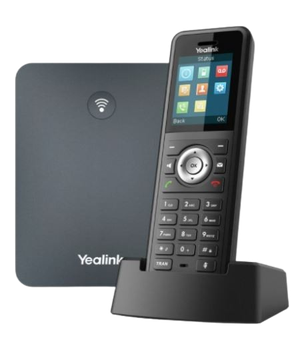
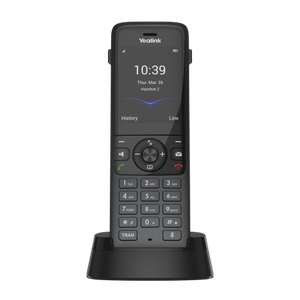
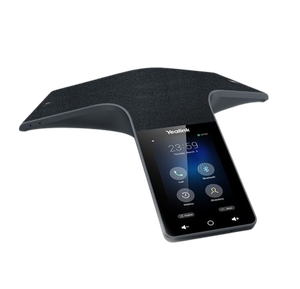
One number, and three parts of the building
Most venues are several businesses sharing a roof. The bar, the bistro, the bottle shop, the functions room and the accommodation all take different calls and need different people.
One advertised number with a short menu sends each caller to the right place without anybody transferring them. Functions in particular is worth its own option, because a function enquiry is worth many times an average booking and it is the one most likely to be lost in a busy service.
The menu should be short. Three options answered quickly beats six read slowly, and a caller who wanted the bistro will hang up during option four.
Friday at seven, which is the only test that matters
Any phone system looks fine on a Tuesday afternoon. The one that matters is what happens when every table is full, the bar is three deep and the phone rings.
What should happen is that the caller hears a menu, chooses, waits in a queue if they need to, and reaches somebody who can actually help, or leaves a message that lands in an inbox. What should not happen is a handset ringing out behind a bar where nobody can hear it.
Time based rules do the rest. The phones can behave differently during service than they do at eleven in the morning, set once rather than switched over by somebody each night.
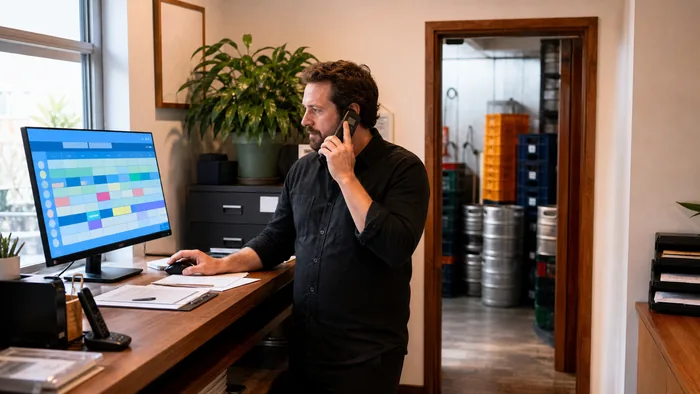
What we do, and what we are not
We are VoIP System, an independent phone systems company working with Australian businesses. We spend more time on cordless hardware than most suppliers, because that is what a venue actually needs rather than the desk phones a quote usually arrives full of.
We are not one of the manufacturers whose equipment we install, and we are not a partner, reseller or authorised agent of any of them. That means we have no reason to put more handsets in your venue than it needs.
Talk to us about your venue
Tell us roughly how big the building is, which areas take their own calls, and what happens to a booking call during service now. That is enough for us to say what a Friday night would look like afterwards.
Call 1300 865 879, or send us the details and we will come back to you.
Common questions
- How many cordless bases does a venue need?
- It depends on the building rather than on the number of handsets. Thick walls, a cool room or a long beer garden all cut the range well below what the box claims. One base covers a small bar, and most pubs of any size need several with the call handing between them as staff walk.
- Can we see how many calls we are missing?
- Yes, and it is usually the first thing worth looking at. A modern system reports how many calls came in, how many were answered and when the busy periods actually are. Most venues find the Friday evening number higher than they expected.
- Can the functions enquiries go somewhere separate?
- Yes, and they should. A function enquiry is worth a great deal more than an average booking and it is the one most likely to be lost during service. Its own menu option, going to a mailbox that reaches somebody by email, is the usual arrangement.
- Will callers hear the room?
- Less than they do now, if the handsets are chosen with that in mind. Noise cancelling varies a lot between models and it matters more in a venue than anywhere else, so it is worth spending on the handset rather than on something a caller never notices.
- Can the phones behave differently during service?
- Yes. Time based rules mean the phones can send callers straight to a menu and a queue during service, and behave differently at quiet times or when you are closed, set once rather than changed by somebody every evening.