
Phone systems for veterinary practices
Planning a new system or switching provider?
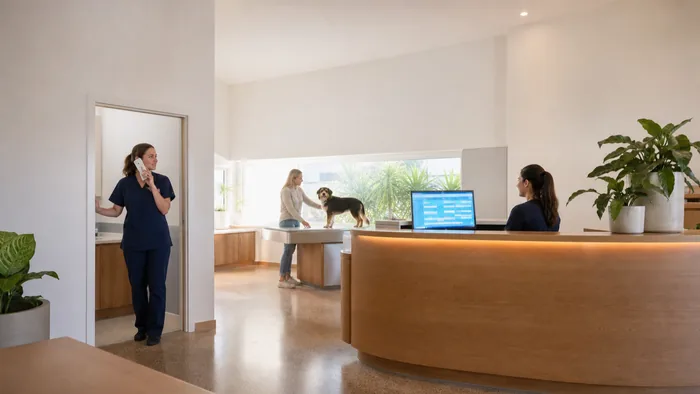
A veterinary practice takes one kind of call that cannot wait and a great many that can, and they arrive on the same line sounding much the same. This page is about telling them apart quickly, and about where the two in the morning call actually goes.
The emergency, and the twenty calls that are not one
Almost every call into a clinic is a booking, a question about a medication, or somebody checking whether their animal can be seen today. Then one call is a dog that has been hit by a car.
The person answering has to sort that out in the first few seconds, while the other calls are still arriving, and usually while somebody is at the counter. No phone system decides which call is urgent, and any supplier who tells you otherwise is selling something.
What it can do is make sure the urgent caller reaches a person quickly.
- A short menu that lets somebody with an emergency choose that option first, ahead of the booking queue
- Routine calls, bookings and prescription questions queued somewhere they are not competing with it
- A queue that reaches a second person when the first is already on a call, rather than ringing out
The point is not clever routing. It is that the person with the emergency is not eleventh in a line behind people booking vaccinations.
Where a call at two in the morning actually goes
Every practice has an answer to this and it is worth checking that the answer is the one you think it is.
The arrangements we see are a divert to whoever is on call, a recorded message pointing at the nearest emergency centre, or some combination that changes by night of the week. All of them are reasonable. What is not reasonable is a phone that rings out, or a message that has been wrong since the roster changed.
An on call divert can follow a roster, so Tuesday goes to one mobile and Wednesday to another without anybody remembering to change it. In our experience it is the setting most often left undone, and it is the one worth checking first.
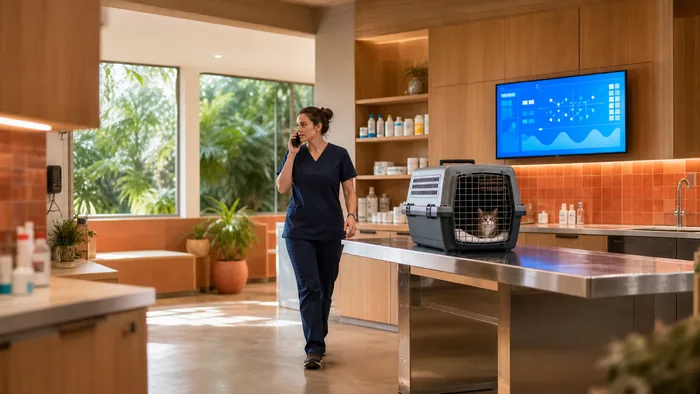
A caller who is upset will not wait on hold
This is the part of veterinary reception that has no equivalent in an ordinary business. The person on the phone may be holding an injured animal, and may be crying.
Practically, that means hold time matters more here than almost anywhere. So does what somebody hears while they wait: silence sounds like a dropped call, and cheerful music on hold sounds worse than silence to somebody in that state.
A short queue message that says a nurse is coming, in a plain voice, does more good than any other thirty seconds of recording on the system.
Bookings, reminders and the consult slot nobody filled
Underneath the urgent work the clinic runs on a diary, and the diary leaks in two places.
- A missed call during surgery hours is usually a booking that went to another clinic
- A no-show is a consult slot that cannot be sold twice, and reminders recover a real share of them
Reminders and confirmations can go out without anybody making a call, and a caller can confirm or move an appointment through a menu option rather than waiting for reception to be free.
Where the phone system and your practice software connect, whoever answers can see who is calling before they say hello, which in a practice that knows its regulars is worth more than it sounds.
Whether your own software connects is a real question with a real answer, it varies a great deal between products, and it changes over time. Tell us what you run and we will check it properly rather than guess.
More than one clinic on one system
Practices with a branch or a second site usually end up with two separate phone systems and two sets of habits, and calls bouncing between them by hand.
One system across both means staff dial two or three digits to reach the other site, calls overflow from one to the other when a reception is swamped, and the after hours arrangement is set once for the whole practice rather than twice.
That is the case for hosting the system rather than owning a box at each site, which is set out on our hosted PBX page.
Cordless handsets for a clinic that moves
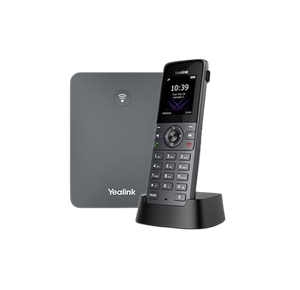
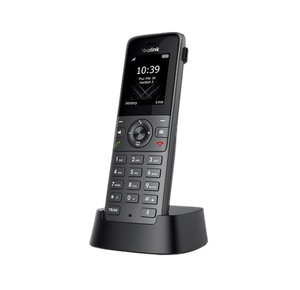
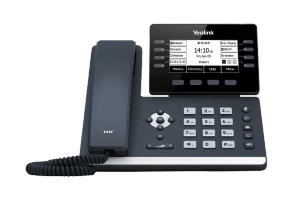
Nobody in a clinic is sitting still, so the handset goes to the consult room and the treatment area with them, and reception keeps a desk phone. Prices exclude GST.
What we do, and what we are not
VoIP System is an independent Australian phone systems company. We move the numbers, build the routing, and answer when you ring us about it afterwards.
We are not veterinary people and we will not pretend to know how you triage. What we know is what happens to a call before it reaches your reception, and that is the part most practices have never had set up properly.
We are not one of the manufacturers whose equipment we install, and we are not a partner, reseller or authorised agent of any of them.
Talk to us about your clinic
Tell us how many people cover reception, whether there is more than one site, and what happens to a call after hours today. That is enough for us to say what is worth changing first.
Call 1300 865 879, or send us the details and we will come back to you.
Common questions
- Can the phone system tell an emergency from a routine call?
- No, and nothing can. What it can do is let the caller say so, by putting an emergency option first in a short menu, and make sure that option reaches a person rather than joining the booking queue behind ten other calls.
- Can after hours calls follow our on call roster?
- Yes. The divert can change by day of the week so Tuesday reaches one mobile and Wednesday another, without anybody remembering to switch it. It is the setting most often left undone, and the one most worth doing.
- What should callers hear while they are waiting?
- Something plain that tells them somebody is coming. Silence sounds like the call has dropped, and cheerful hold music lands badly on somebody holding an injured animal. A short spoken message in a calm voice is the right answer here far more often than music is.
- Can we reduce no-shows?
- Reminders recover a real share of them, and they cost nobody a phone call. A caller can also confirm or move an appointment through a menu option instead of waiting for reception to pick up, which takes routine traffic off the desk at the same time.
- We have two clinics. Do we need two phone systems?
- No, and two is usually the worse arrangement. One system across both sites lets staff dial a short extension between them, lets calls overflow when one reception is swamped, and means the after hours setup is configured once rather than twice.